

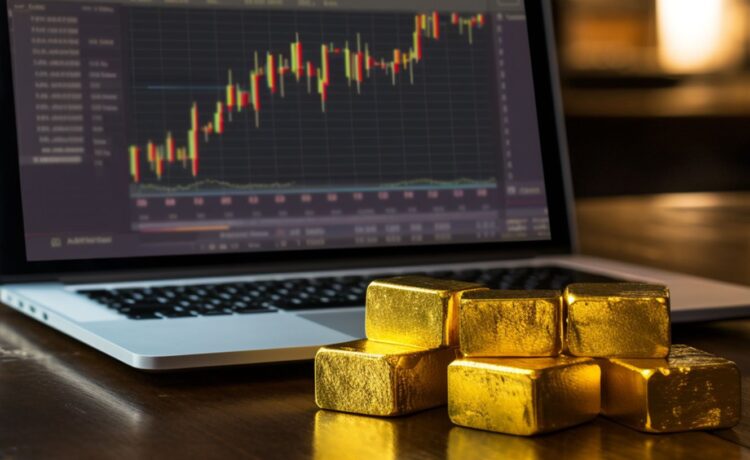
Gold has long stood as the quintessential safe-haven asset—a timeless store of value that transcends market cycles, geopolitical shifts, and even currency fluctuations. Yet, for modern traders, gold offers far more than a hedge against uncertainty. Its frequent price swings, influenced by interest rates, inflation data, and macroeconomic sentiment, provide fertile ground for tactical trading. Understanding how to navigate gold’s volatility effectively can transform it from a static portfolio hedge into a dynamic profit opportunity.
This article explores how traders can strategically harness gold’s price movements across different timeframes—from rapid, short-term trades to long-term investment plays—while maintaining a disciplined approach to risk and reward.
Short-Term Trading: Capturing Momentum and Breakouts
Short-term gold trading focuses on taking advantage of immediate price movements—often within days or even hours. These trades require precision, speed, and a solid grasp of technical analysis.
Spotting Key Levels
Successful short-term traders often rely on technical indicators such as moving averages, Relative Strength Index (RSI), and Bollinger Bands to pinpoint entry and exit levels. For example, when gold’s price breaks above a key resistance level with strong volume, it can signal the start of a new bullish phase. Similarly, an oversold RSI might hint at a potential rebound.
In fast-moving markets, support and resistance zones become invaluable guides. Many traders look for breakout patterns or short-term consolidations that precede a larger move. By aligning trades with prevailing market momentum, traders can capture gains from short bursts of volatility while keeping risk contained through well-placed stop-loss orders.
Using News and Events as Catalysts
Short-term traders also keep a close eye on economic calendars and central bank announcements. Events such as Federal Reserve rate decisions, U.S. inflation data, or geopolitical developments can trigger sharp intraday price reactions in gold. Understanding how to interpret these catalysts and respond quickly can turn volatility into opportunity rather than risk.
For example, a dovish policy shift by the Fed may weaken the dollar and push gold higher, while stronger-than-expected economic data could do the opposite. Being able to anticipate or react to these shifts effectively often separates consistent traders from reactive ones.
Long-Term Trading: Riding the Broader Gold Cycles
While short-term trading revolves around quick decisions, long-term gold trading involves identifying macro trends and structural cycles. This approach suits investors who prefer to hold positions for weeks, months, or even years, capitalising on larger market narratives rather than short bursts of volatility.
Macro Drivers and Inflation Hedging
One of the most compelling long-term strategies for gold revolves around its historical role as an inflation hedge. When real interest rates decline—that is, when inflation outpaces nominal yields—gold tends to rise. This inverse relationship makes it a valuable component of diversified portfolios, particularly in periods of economic instability.
Long-term traders monitor macroeconomic indicators such as CPI, interest rate trends, and central bank policies. For instance, persistent inflation or prolonged fiscal stimulus can erode currency value, prompting sustained gold demand. By aligning positions with these broader trends, traders can benefit from multi-month or even multi-year uptrends.
Technical Confirmation and Patience
Even long-term traders benefit from technical analysis—but on higher timeframes such as weekly or monthly charts. Trendlines, moving averages, and Fibonacci retracements can all provide context for identifying when to enter or exit long-term trades.
Patience is key: gold often moves in waves, with extended consolidation phases followed by explosive rallies. Traders who can remain disciplined during sideways markets often find themselves better positioned when volatility returns.
Tactical Positioning Through Derivatives and ETFs
Traders have several instruments available to express their gold outlooks, each offering distinct benefits depending on risk tolerance and time horizon.
Futures and CFDs
Futures contracts and Contracts for Difference (CFDs) are popular tools for traders looking to benefit from gold’s short-term volatility. These instruments allow for leveraged exposure, meaning traders can control larger positions with smaller capital commitments. However, leverage amplifies both gains and losses, so risk management remains crucial.
CFDs, in particular, are accessible for individual traders who wish to speculate on gold’s price without owning the underlying asset. They offer flexibility for both long and short positions, enabling traders to profit from both bullish and bearish moves.
ETFs and Physical Gold
For long-term participants, gold-backed exchange-traded funds (ETFs) offer a simple way to gain exposure to gold’s price performance without dealing with storage or liquidity concerns. ETFs track the metal’s price closely and can be integrated into diversified portfolios alongside other asset classes.
Some traders also combine ETF holdings with smaller tactical trades in derivatives to hedge or enhance returns—a balanced strategy that merges the benefits of stability and agility.
If you’re interested in learning more about different instruments and market techniques for trading in gold, there are dedicated resources that provide step-by-step guidance on strategy, execution, and market analysis.
Conclusion
Gold’s volatility is not merely a challenge to be managed—it’s a potential edge to be leveraged. From fast-paced breakout trades to patient macro plays, gold offers diverse opportunities for those who approach it with strategy and discipline.
By understanding what drives its price movements, using the right trading instruments, and managing risk wisely, traders can transform short-term fluctuations and long-term trends alike into profitable outcomes.
In the end, gold’s enduring allure lies not just in its shine but in its dynamic capacity to reward those who respect its rhythm and master its volatility.